Pup Training 101: Dog Treats That Work Wonders!
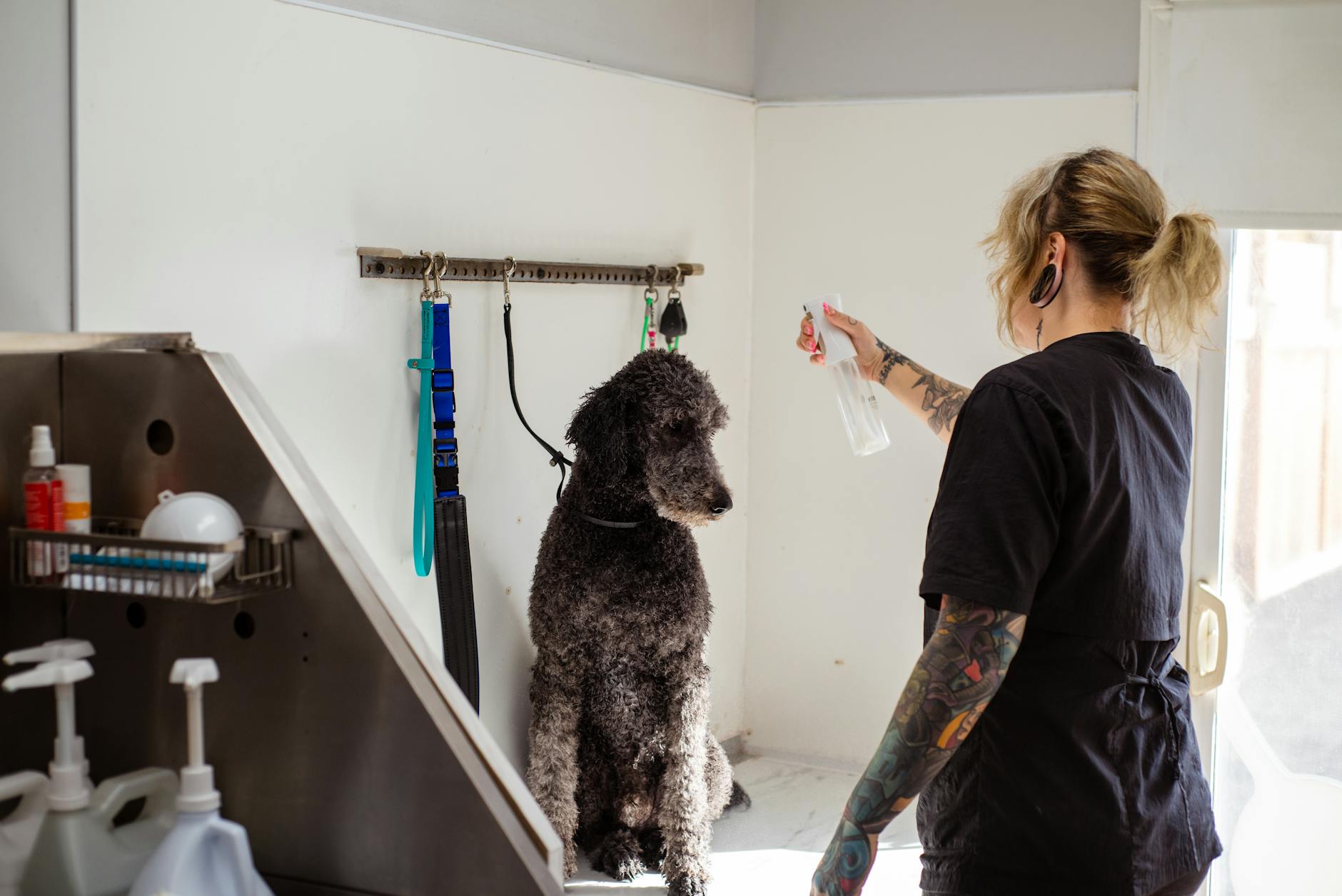
Training your puppy can be a rewarding experience for both you and your furry friend. Treats are crucial in this process and a powerful motivator for good behaviour. However, not all treats are created equal, and knowing which ones to use can significantly affect your training effectiveness. This guide will unlock the secrets to finding the most effective treats that will ensure your pup's training success.
The Psychology Behind Treats as Rewards
Before diving into specific treats, let's understand why they work so well. Treats tap into a dog's base instinct of working for food—a drive known as 'positive reinforcement.' When dogs associate a specific behavior with a tasty reward, they are likelier to repeat that behavior to receive more treats.
Quality Over Quantity: Choosing the Right Treat
The best treats for training are:
- Small and Low-Calorie: Keep treats tiny so your pup doesn't get full too quickly and can continue training without losing interest.
- Highly Palatable: The treat should be something your dog goes crazy for—usually, the smellier, the better!
- Nutritionally Sound: Training treats should contribute to your dog's healthy diet.
- Variety is the Spice of Life: Vary the types of treats to prevent boredom and maintain high motivation levels.
Ideal Treats for Training Sessions
1. Commercial Training Treats
- Soft Chews: Easy to eat quickly and in many flavours.
- Freeze-Dried Treats: They're healthy and palatable and usually made from single ingredients like liver or fish.
2. Homemade Alternatives
- Cooked Chicken: A classic choice that's lean and irresistible to most dogs.
- Peanut Butter: Use in moderation; make sure it's xylitol-free.
3. Healthy Veggies & Fruits (In moderation)
- Carrot Sticks: Crunchy and good for their teeth.
- Blueberries: Antioxidant-rich and bite-sized.
Making Training Treats More Effective
Modalities of Rewarding
- Timing is Key: Give the treat immediately after the desired behaviour to create a strong association.
- Use a Marker: A clicker or a specific word helps signal your dog that a reward is coming.
- Randomize Rewards: Once a behavior is learned, give treats intermittently to strengthen the behavior.
Training Treat Etiquette
- Prevent Resource Guarding: Train your pup to accept treats gently from all family members.
- Balance with Meals: If you're using a lot of treats, adjust your meal portions to avoid weight gain.
Troubleshooting Common Training Challenges
- Pup Not Interested in Treats? Ensure you're training before meals and that the treats are high-value.
- Too Dependent on Treats? Gradually wean off treats by replacing them with praise, petting, or play.
Conclusion
When used correctly, dog treats can work wonders in your pup's training regimen. Focusing on high-quality, palatable, varied treats will maintain your dog's interest and enhance their learning. Remember that consistency, timing, and the proper use of treats, with love and patience, will set you and your pup up for a lifetime of success.
Now that you've learned the art of effectively using treats for training, it's time to put your knowledge into practice. Happy training!
Always consult with a veterinary professional before making significant changes to your dog's diet, especially when introducing new treats or rewards. Good luck, and enjoy the journey of training your pup!